Building a custom VS Code extension can open the door for innovation. Extensions can become even more powerful when you use them to create a better interface. Today we explore how to incorporate custom UIs into your extension using Webviews.
Combining Visual Studio Code with Hugo has given me a great workflow for my blog. To make it even better, I need to modify part of the editor’s behavior. I need a custom VS Code extension.
I’ve mentioned a few times that I use Visual Studio Code and Hugo for my blogging. I’ve also discussed some of the the ways I make it faster and easier to create my posts. Learn how I make my VS Code experience faster and easier by using tasks.
Sometimes you need to test an OCI image in Kubernetes. Or perhaps you want to validate a new Helm chart to ensure it will deploy as expected. If you’re trying to build and test components for Kubernetes, Minikube can make that process easier.
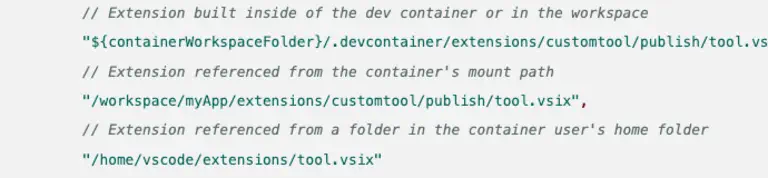
Did you know that dev containers can have their own private Visual Studio Code extensions? By understanding some of the life cycle of the container, it’s possible to create and use extensions that are designed to support a specific dev container or Codespaces environment.
Published:September 6, 2024Updated:
July 11, 2025
Reading Time:
4 min
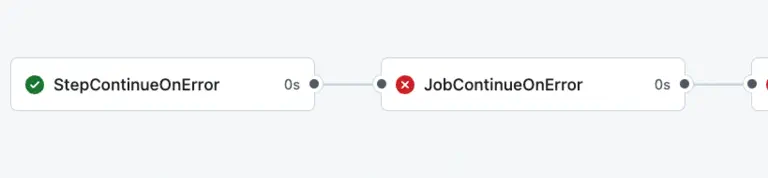
In most cases, we write a CI/CD workflow where all of the steps succeed. If a step fails, the job and workflow fails. But what do we do when we need the workflow to handle a failing step or job?
Every wanted to dynamically set (or unset) environment variables in your GitHub Actions? Needing more control over the configuration of your steps? Wanting to configure everything using logic written in the language of your choice rather than just relying on GitHub’s expression syntax? This post will show you how to use a powerful technique to take your workflows to the next level.
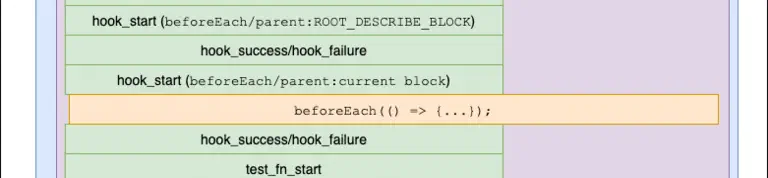
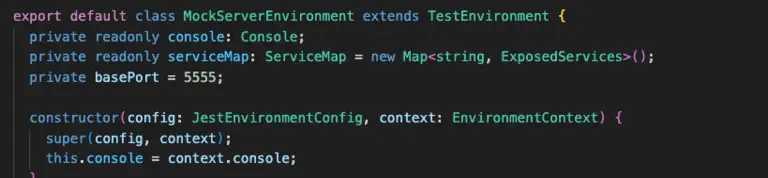
Continuing the topics from my last post, this week I want to offer a deep dive into the lifecycle of a Jest TestEnvironment by exposing the events that are raised when tests are run. I’ll also explore some of the details that are included with each event.
I needed a way to implement integration tests that would allow me to ensure that I could clean up the emulators I was using after each test cycle. Jest Test Environments provided a powerful way to do this, and TypeScript makes it easy to do (aside from a few quirks).
GitHub Advanced Security (GHAS) helps teams to shift left and secure their development practices. But what do you do when its process its processes and practices doesn’t quite fit your team’s approach? In this post, we’ll look at how to use GitHub Probot to implement your own process in a GitHub-native way.